





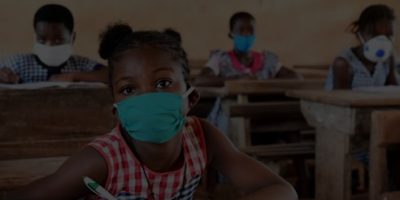










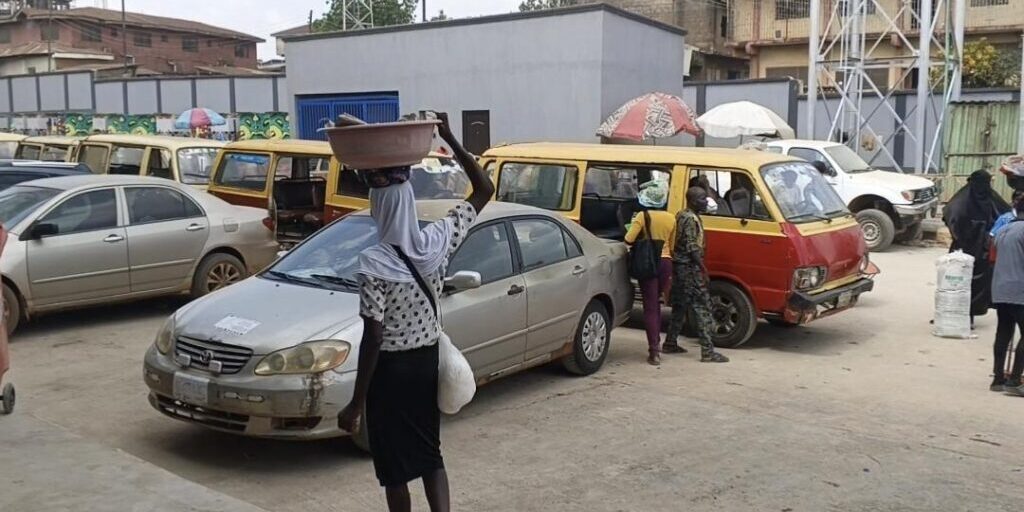
In Oyo State, the sight of school-aged children hawking during school hours is becoming increasingly common, exposing significant gaps within the education system. From busy motor parks to crowded streets in Ibadan, the state capital, Sodiq Mojibola highlights the widening disconnect between education policies and the harsh realities faced by families struggling to survive.
A Childhood Interrupted
When 16-year-old Fathia Oladejo was promoted to SS3, it should have marked the final phase of her secondary education. Instead, it signalled her entry into street hawking.
From bustling motor parks to roadside stalls, Fathia now spends her school hours selling sachet water and drinks. Her daily routine reflects the struggles of many school-aged girls across Oyo State, caught between pursuing education and meeting basic survival needs.
Her mornings begin before sunrise, helping her mother prepare drinks before embarking on a long journey to Iwo Road motor park from their home on Omileye Street in the Itesiwaju Community Layout, Thywill Area. The 13-kilometre journey can take more than two hours on foot.
Due to her family’s financial hardship, focusing solely on her education is no longer an option.
With her younger brother enrolled in Junior Secondary School 1 and her parents working tirelessly to make ends meet, Fathia’s contribution to the household income has become essential. Each day, she balances survival with the dreams she once had of completing her education.
The Burden of Survival
Her situation worsened upon reaching SS3, as the need to raise money for her West African Senior Secondary Certificate Examination (WASSCE) added to her existing struggles.
“There were days we barely had food. At times, we had to rely on relatives just to eat,” Fathia said, expressing both frustration and determination.
“People started looking down on us. It became overwhelming, and we had to take action. That was why I joined the sachet water business,” she added.
By 7:30 a.m., she is already at the motor park, often selling most of her first batch of goods within 30 minutes by calling out to attract customers.
At moments, she reflects on how her classmates would already be in lessons at Gbedeogun Community Grammar School, Thywill, Ibadan, where she studies Arts.
“I want to return to school, but my parents cannot afford it. That is why I am hawking. I believe hawking is better than begging,” she said with firm resolve.
A Family in Crisis
A few metres away, her mother, Mrs Oladejo, sells drinks from a larger container while keeping a close watch on her daughter.
The family was recently evicted from their home in Amuloko, Ibadan, where they had lived with relatives while her husband travelled for business.
According to Mrs Oladejo, the eviction resulted from the extended family’s effort to reduce the number of dependants in the household. The situation became more difficult when her younger child gained admission into JSS 1.
Faced with rising costs of feeding, transport, and other essentials, the family made the painful decision to keep the younger child in school while Fathia stayed back to work.
“We hawk so that we can afford to eat. My daughter had to join me because we cannot pay for her schooling now that she is in SS3. We need to raise money for her WASSCE. Please help us,” she said.
She explained that she had previously resorted to hawking during an earlier period of hardship. Although things improved briefly when she started a small business, the eviction and rising cost of living forced the family back into survival mode.
Today, mother and daughter work side by side on the streets.
Fathia’s story reflects a growing trend across Oyo State, where children are increasingly being pushed out of classrooms due to economic hardship.
More Families Choosing Survival Over Education
Another school-aged girl, Peace Ayorinde, sits quietly outside her mother’s alcohol shop along Gbagi Road in Egbeda Local Government Area.
A white bucket rests on her lap, holding a few naira notes as she attends to customers purchasing sachet and bottled drinks.
By 3 p.m., pupils in uniform were returning home from school. For Peace, however, the school day passed without a single lesson.
The noise of the busy market contrasts sharply with the quiet classroom she should have been in, highlighting the economic pressures that have kept her away from school for two consecutive days.
Despite her strong interest in mathematics, her reality tells a different story. Her mother, a trader, and her father, a bus driver, are doing their best to cope within a system that often leaves families like theirs behind.
Having already missed two days of school, Peace admitted she might not return the following day.
A Sacrifice That Risks Education
According to Peace, her mother asked her to manage the alcohol shop while she went out to hawk drinks at a motor park. For her, this was simply a way of supporting her family, but it now threatens her academic future.
With more than 100 students in her class, far exceeding the state’s recommended 1:30 teacher-to-student ratio, the challenges she faces are even greater.
Private Schools, Same Struggle
The crisis is not limited to public schools. Students in private schools are also affected.
At Iwo Road Motor Park, Rokibat Adisa, an SS1 student at Choice Mission Private School, sells sachet water and soft drinks daily to support her mother, who caters for her and her three brothers while her father works in Lagos.
Her school fees total ₦15,000, but her daily earnings are insufficient to cover both her fees and family needs.
“I was sent home because my school fees have not been paid,” she said.
Similarly, 18-year-old Kehinde Akande hawks sponges at Gbagi Market. The SS1 student of Life Chosen International School has become used to the routine due to her family’s financial struggles.
Each day, she walks long distances through the busy market, balancing the need to pay school fees with supporting her household.
Also at Gbagi Market, 12-year-old Halimah Olagunju sells oranges under a broken-down trailer after being sent home from school due to unpaid fees.
Despite daily sales, her family cannot meet the ₦25,000 termly fee.
For these children, hawking is not a choice but a necessity to remain connected to education.
Out-of-School Children: A Growing Crisis
Nigeria has one of the largest out-of-school populations in the world.
According to UNICEF, one in three children in Nigeria is out of school, with 10.2 million at primary level and 8.1 million at junior secondary level.
An additional 12.4 million children have never attended school, while 5.9 million dropped out early. Nigeria accounts for 15 per cent of the global out-of-school population.
Recent estimates place the figure above 14.8 million, with poverty, insecurity, and cultural barriers cited as key drivers.
In Oyo State, the situation is particularly concerning.
A 2024 report shows that 20.9 per cent of children aged 6–15 are out of school, more than double the national average.
Historical data also reveals rising dropout rates, especially among older students.
Government Claims vs Reality
The Oyo State Government reports progress in reducing out-of-school numbers, including enrolling over 54,000 children within two years.
It maintains a no-fees policy and is implementing the BESDA programme to improve access to education.
However, the reality on the ground suggests otherwise.
Despite promises of free education, students still report hidden costs and inconsistent access to learning materials.
Gaps in Implementation

Although Nigeria’s Universal Basic Education Act guarantees free and compulsory education, implementation remains inconsistent.
In some schools, levies still exist, and government-provided resources do not always reach students.
In rural areas such as Oyedeji, schools remain largely empty, with pupils often accompanying their parents to farms instead of attending classes.
Teachers report having to persuade children daily to come to school.
Systemic Challenges
Experts point to poverty, unemployment, and social factors as key contributors to the crisis.
Some parents no longer see education as a reliable pathway out of hardship, while others struggle with the cost of transportation and basic school needs.
Infrastructure challenges, overcrowded classrooms, and inadequate facilities further compound the problem.
A Problem That Starts at Home
Some parents believe weak discipline also plays a role.
Rising costs have forced families to limit how often their children attend school, with transport expenses alone becoming a significant burden.
Despite these challenges, many children still express a strong desire to return to school.
Government Response
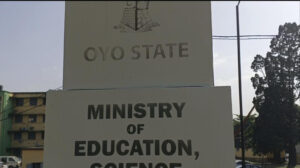
The Commissioner for Education, Olusegun Olayiwola, dismissed reports of widespread issues as misleading, stating that teacher numbers in the state are adequate.
He cited examples of schools with favourable teacher-to-student ratios but did not provide updated figures on out-of-school children or detailed plans for reintegration.
Conclusion
Across Oyo State, the growing presence of children on the streets during school hours highlights a deepening crisis.
For many families, the choice between education and survival is no longer theoretical but a daily reality.
Until policies are effectively implemented and economic pressures addressed, children like Fathia, Peace, and countless others will continue to navigate a fragile path between the classroom and the streets.